
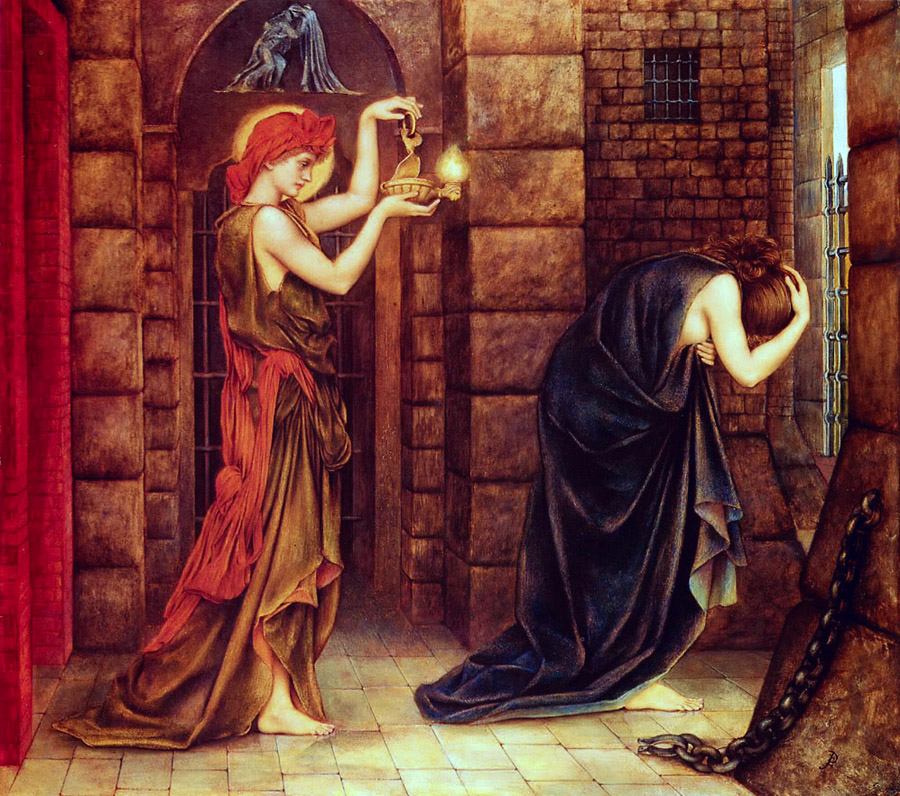

Our condition, in terms of hope and desire, resembles that of those who, in Dante’s Divine Comedy, remain suspended in Limbo and who, in Virgil’s words, desire without any longer hoping (sanza speme vivemo in disio). We too, like the inhabitants of Limbo, are suspended between desire and hope: we have lost hope in a better world and yet we continue to desire it in vain and cannot do without it. To emerge from this liminal state, we must direct our hope not towards a good that we lack and wish to possess, but towards that which we already possess, the good that lies within us, so that it may remain alive and give us life. And if faith is, in the words of the Apostle, the assurance of things hoped for [cf. Hebrews 11:1], these things are present within us and before us, and the desire for a good in which we believe is always already fulfilled. Hope in what we have is, therefore, a special form of memory, which is not limited to recalling a past good, but which ceaselessly works to ensure that it remains present and alive. And this transformation of hope into memory is thought, the life of the mind.
Quodlibet, 20/10/2026
Source: Autonomies